


Perimenopause and Exercise: Why I Had to Completely Rethink Fitness After 40

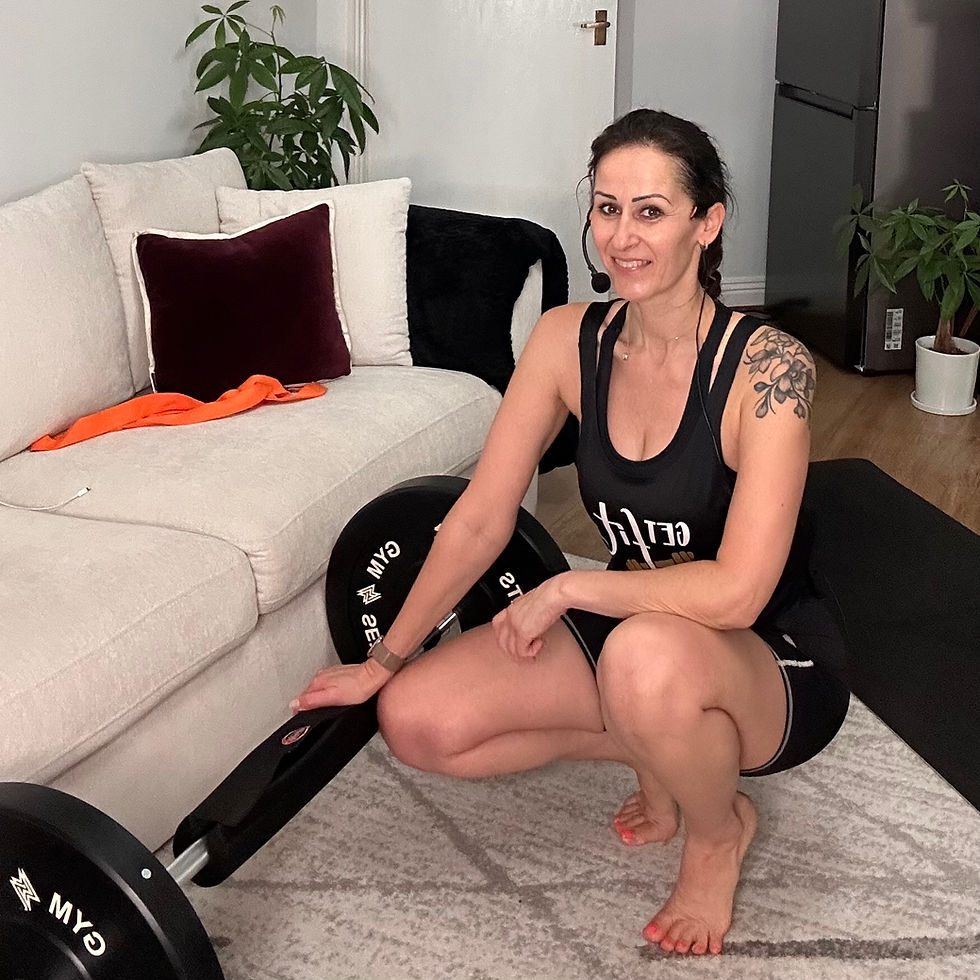
As a fitness instructor in East London, I never expected to gain weight while teaching fitness classes and exercising regularly.

But perimenopause changed everything.
Over five years, I gained 9kg despite:
teaching group fitness classes
working out consistently
staying active
trying to eat “clean”
doing regular high-intensity exercise
And no matter how hard I pushed, my body kept fighting me.
At first, I thought I simply needed more discipline.
More cardio. More HIIT workouts. More calorie burning. More intense exercise.
But instead of feeling fitter, I felt exhausted.
My recovery became worse. My sleep suffered. I started craving sugar more often. I felt constantly stressed and inflamed. The weight around my stomach became harder to lose.
And what makes this even more frustrating is that I didn’t even realise I was in perimenopause at first.
I Didn’t Realise I Was in Perimenopause
I was completely blind to it.
I thought I was just stressed. Overworked. Tired. Burnt out. Maybe simply not trying hard enough anymore.
I didn’t connect the symptoms together.
The exhaustion. The poor recovery. The disrupted sleep. The bloating. The mood changes. The cravings. The stubborn weight gain.
Then one day, I saw another woman talking online about perimenopause symptoms and I remember thinking: “Oh my God… this is me.”
That was the moment everything suddenly started making sense.
And when I looked back, I realised I had probably been in perimenopause for at least a year without even knowing it.
The truth is, many women are never properly educated about perimenopause symptoms until they are already experiencing them.
Awareness around menopause and perimenopause has improved massively in recent years, with even the NHS recognising the importance of menopause support and education in women’s health through routine health checks and wider awareness campaigns.
Resources like Menopause Matters also helped me start understanding what was actually happening to my body and why my workouts, recovery, sleep, and energy suddenly felt so different.
You can also read about the UK government’s menopause awareness update here:Major NHS update brings menopause into routine health checks
Why Exercise Feels Different During Perimenopause
What I didn’t understand at the time was this:
Perimenopause changes how your body responds to stress, recovery, and exercise.
Many women notice that the workouts that used to work in their 20s and 30s suddenly stop working during perimenopause and menopause.
Hormonal changes can affect:
recovery
sleep quality
energy levels
cortisol and stress response
muscle mass
fat storage
cravings and appetite
nervous system regulation
For some women, too much high-intensity exercise can actually leave the body feeling more stressed rather than stronger. That was exactly what happened to me.
As a fitness instructor, I was teaching classes, doing intense exercise, not recovering properly, and running on stress and poor sleep for years.
My body was trying to tell me it couldn’t keep up anymore.
Women in Perimenopause Don’t Always Need Harder Workouts
This was the biggest mindset shift for me.
Women in perimenopause do not always need more punishment, more cardio, or more exhaustion. Sometimes we need smarter fitness.
That can mean:
strength training for women over 40
more recovery days
better sleep support
walking and lower-impact movement
nervous system support
prioritising muscle over calorie burn
reducing excessive high-intensity training
Once I started focusing more on strength training and recovery instead of constantly exhausting myself, my body finally started responding differently. Not overnight.Not dramatically. But steadily.
And more importantly, I started feeling better.
Why Strength Training Matters During Perimenopause
One of the biggest things I’ve learned is that strength training during perimenopause is not just about aesthetics.
It’s about:
protecting muscle mass
supporting metabolism
improving bone health
supporting long-term mobility
helping posture and joint stability
improving confidence and energy
preparing your body for healthy aging
This is now a huge part of how I coach women through my fitness classes in East London and my online strength workouts through SilviaK Fitness.
I want women to understand that your body changing during perimenopause does not mean you have failed.
It does not mean you are lazy. It does not mean you lack discipline. And it definitely does not mean you should punish yourself harder.
It may simply mean your body needs a different approach now.
Fitness After 40 Should Support Your Body, Not Punish It
I am still on this journey myself.
I stripped everything back to basics and started focusing on:
proper strength training
recovery
sleep
stress management
sustainable movement
supporting my body instead of fighting it
And honestly, it has completely changed how I view fitness for women over 40.
Because the goal is no longer just to burn calories.
The goal is to build a stronger body for the future.
A body that feels capable. Healthy. Strong. Supported. And resilient through perimenopause and beyond.
If you are struggling with weight gain, exhaustion, poor recovery, bloating, or feeling like your old workouts are no longer working, you are not alone.
Your body is changing.
And your fitness approach may need to change too.
If you are looking for supportive strength training classes for women in East London, online workouts, or a welcoming fitness community focused on long-term health and strength, you can explore my classes and programs through SilviaK Fitness.


Comments